Customize Consent Preferences

We use cookies to help you navigate efficiently and perform certain functions. You will find detailed information about all cookies under each consent category below.

The cookies that are categorized as "Necessary" are stored on your browser as they are essential for enabling the basic functionalities of the site. ... 

Always Active

Necessary cookies are required to enable the basic features of this site, such as providing secure log-in or adjusting your consent preferences. These cookies do not store any personally identifiable data.

No cookies to display.

Functional cookies help perform certain functionalities like sharing the content of the website on social media platforms, collecting feedback, and other third-party features.

No cookies to display.

Analytical cookies are used to understand how visitors interact with the website. These cookies help provide information on metrics such as the number of visitors, bounce rate, traffic source, etc.

Performance cookies are used to understand and analyze the key performance indexes of the website which helps in delivering a better user experience for the visitors.

Advertisement cookies are used to provide visitors with customized advertisements based on the pages you visited previously and to analyze the effectiveness of the ad campaigns.

No cookies to display.

River Cocker, Cumbria

Wild Swimming
Free!

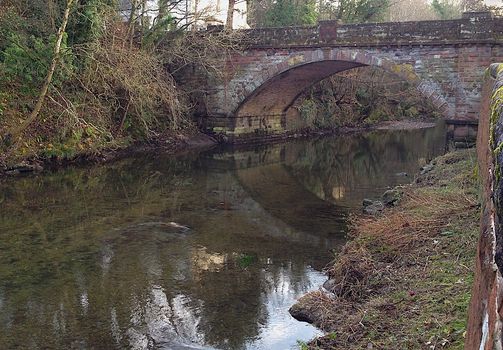
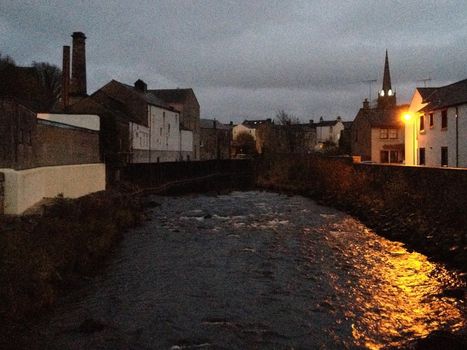
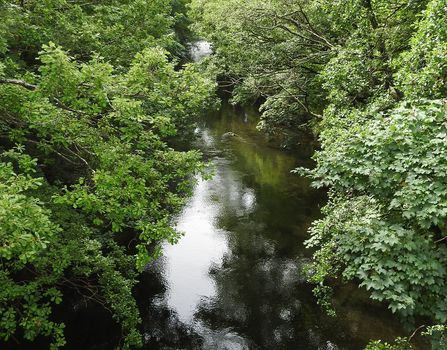
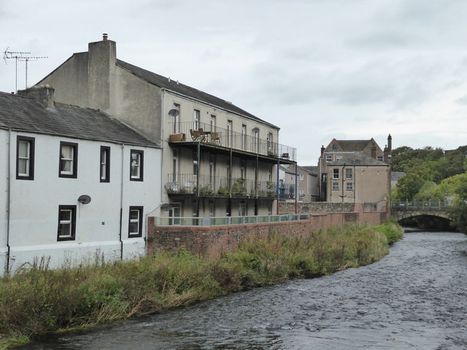
The River Cocker is a river in the Lake District in North West England, in the county of Cumbria. Its source is at the head of the Buttermere valley. It flows north through Buttermere and then Crummock Water, through Lorton Vale, to the town of Cockermouth, where it joins the River Derwent. It is roughly 12 miles (19 km) long. The river takes its name from the Brythonic Celtic word kukrā, meaning 'the crooked one.'

The river supports a range of wildlife; the predominant fish species include salmon, sea trout, brown trout, eels, minnows, sticklebacks and the Stone Loach.

The small river came to national prominence in the 2009 Great Britain and Ireland floods. The county of Cumbria was the hardest hit area during the floods, when the River Cocker and River Derwent both burst their banks, covering the town of Cockermouth in as much as 8 feet (2.4 m) of water, causing extensive damage to houses, shops, workplaces as well as the home of Cockermouth Cricket Club.

An important and pioneering project to reduce the flooding hazards associated with the river Cocker began in 2014. It involved the restoration of the Whit Beck, a tributary of the river Cocker near Lorton. The project was called The Whit Beck Restoration Project 2014.

The description for this activity is from Wikipedia.
Marker
Leaflet © OpenStreetMap contributors